

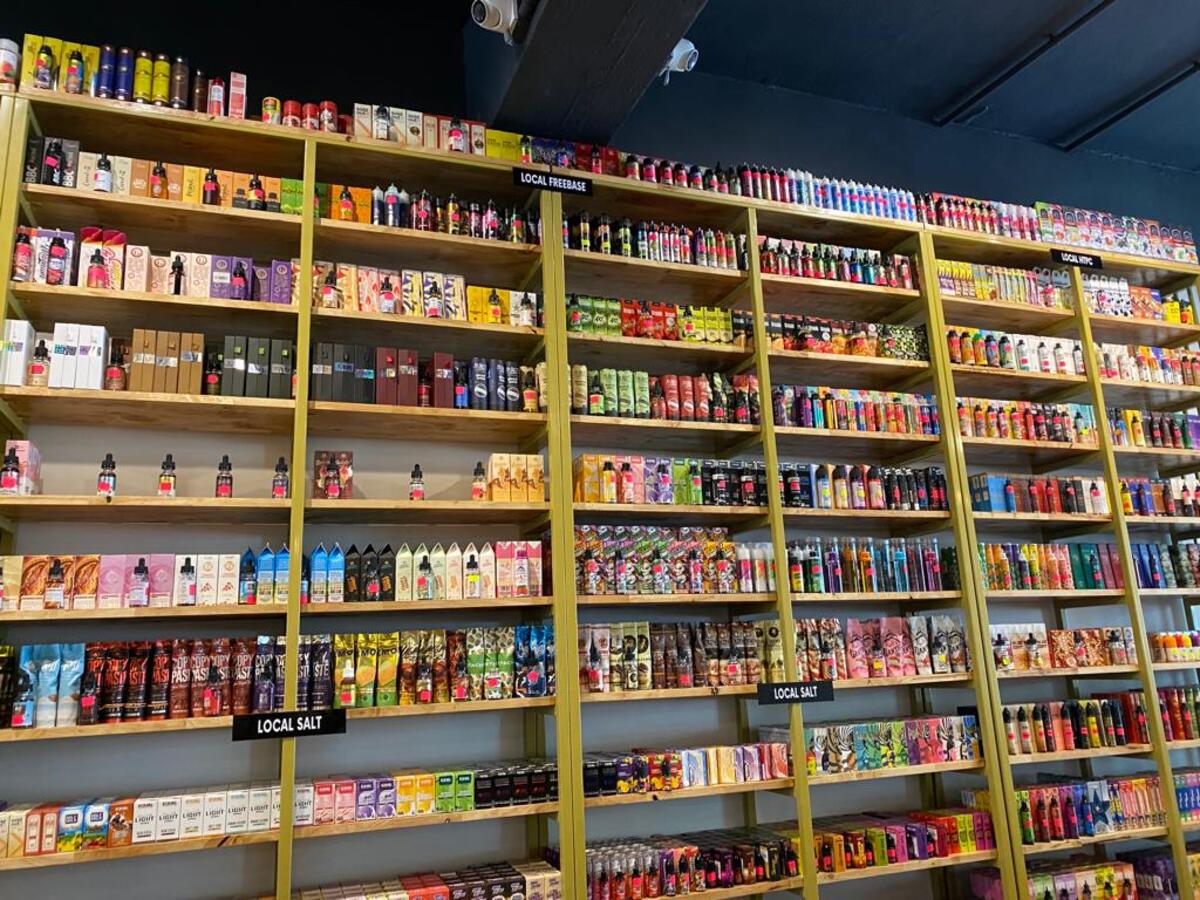
KUALA LUMPUR, Oct 1 — The Control of Smoking Products for Public Health Act 2024 (Act 852) is officially in effect today, setting new rules for tobacco and vape sales, including a ban on public display outside specialised stores and prohibitions on online and vending machine sales.
Under Act 852’s newly established Control of Smoking Products for Public Health (Control of Sale) Regulations 2024, which fall under the health minister’s authority without needing parliamentary approval, retailers and individuals cannot display tobacco products outside licensed specialised stores, and any products within these stores must not be visibly displayed from outside.
The new tobacco and vape sales regulation also prohibits the sale of tobacco products, smoking substances, or substitutes online or through vending machines.
All vendors of tobacco and vaping products must now display prominent signs indicating that sales are prohibited to individuals under eighteen.
These restrictions on the sale and display of tobacco and vape products apply to both public and private educational areas, including kindergartens, schools, and universities. It extends to a 40-metre radius from school borders and three metres from entrances in commercial buildings if an educational institution is located within. Temporary stalls and markets are also barred from selling tobacco and vape products.
As part of the newly enforced law, a minimum price of RM12 has been mandated for packets of cigarettes, cigars, and heated products. All tobacco and vape products must also carry health warning images and text as prescribed by regulations.
Tobacco products, smoking substances, or substitutes must be sold in compliance with the packaging and labelling requirements outlined in the Control of Smoking Products for Public Health (Packaging and Labelling) Regulations 2024. These products must not be sold in opened packets or loose form.
Violations of these control of sale regulations can lead to fines up to RM20,000 or one year in prison for individuals for the first offence, and up to RM30,000 or two years for repeat offences. Corporations face fines starting at RM20,000 (up to RM100,000) for the first offence or up to two years in prison, and RM50,000 (up to RM300,000) for subsequent violations, with potential imprisonment of up to three years.
Prof Dr Mohamad Haniki Nik Mohamed, anti-tobacco activist and chief coordinator of the Certified Smoking Cessation Service Provider (CSCSP) at the Kulliyyah of Pharmacy, International Islamic University Malaysia congratulated the government for implementing stricter sales restrictions including the display ban at point of sale.
“Malaysia should have implemented this ten years ago, it cannot be postponed any longer. 58 countries have already implemented the exhibition ban including our neighbours like Singapore and Thailand,” Dr Mohamad Haniki told CodeBlue when contacted.
“This is important to protect children from blatant cigarette and vaping promotions/ advertisements at the point of sale.”
In a statement released on the eve of the law’s implementation, the Ministry of Health (MOH) outlined a dual approach for enforcing Act 852, which includes both immediate and phased measures.
Immediate actions include prohibiting sales of smoking products designed to appeal to children, banning advertising and sponsorship of smoking products, and enforcing restrictions on sales within educational settings and online platforms.
Education enforcement will begin within six to twelve months from the date of implementation for specific aspects, such as product registration starting April 1, 2025, and compliance with packaging and labelling regulations by October 1, 2025.
“The MOH takes the harmful effects of widespread smoking very seriously, including unethical marketing and promotional activities targeted at children and adolescents.
“Therefore, Act 852, which was previously gazetted on February 2, 2024, will now come into effect along with the associated Regulations and Orders starting October 1, 2024,” the statement read.
As part of the phased implementation, the maximum nicotine concentration permitted in smoking substances is currently set at 35 mg per ml; however, this limit will be reduced to 20 mg per ml starting October 1, 2025. Additionally, the maximum volume for each cartridge or disposable pod is now 3 ml, but this will decrease to 2 ml from October 1, 2026.
Notably, many vape products available in the Malaysian market contain 5 per cent nicotine (50 mg/ml), though the majority have 3 per cent nicotine (30 mg/ml). This is in contrast to regulations in many countries, including Indonesia, the UK, and several European nations, where vape nicotine content is limited to 2 per cent (20 mg/ml).
After multiple delays, Act 852 is now in effect, 10 months after Dewan Negara passed the Control of Smoking Products for Public Health Bill on December 14, 2023.
It also comes nearly 18 months after then-Health Minister Dr Zaliha Mustafa removed liquid nicotine from the Poisons Act on March 31, 2023, allowing taxation and legalising nicotine vapes and e-cigarettes for all ages, including minors.
The law was gazetted on February 2 after receiving royal assent on January 24.


